
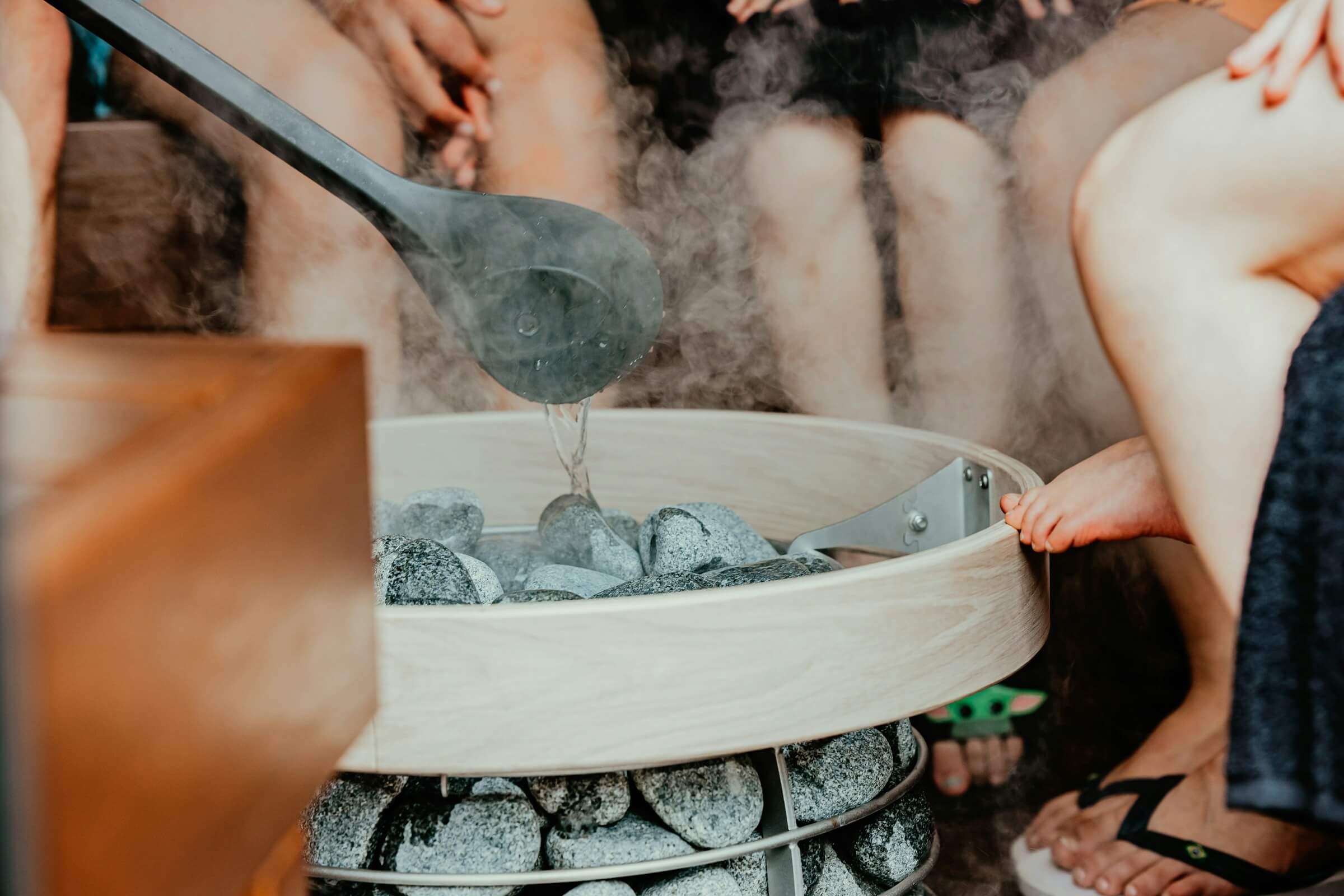

Cold plunge, sauna, Nordic bath… Your best outdoor allies?
And what if the joy of an outdoor experience could also be found in what goes with it? We invite you to delve into the world of “restorative practices”, which do nothing but good for those who commit their bodies to the adventure.
Adventure is movement – we’re not going to tell you any stories. If you’re interested in the outdoor world, what whets your appetite is the quest: to seek in the unknown what you can’t find at home. Moving is good, but if you want to extend, repeat and intensify your outings, it’s a good idea to start looking after yourself, other than with a three-minute shower and 10 seconds of stretching before going to bed.
Today, a silent revolution is taking place within our favorite practices. The sauna, a sweating practice that comes to us from the Nordic countries, as well as the very hot Scandinavian bath (same origin) and the very cold cold plunge (they’re good at it again), are all practices that are leaving the nest of “pure well-being” to become mainstream trends. Their proven benefits for the body are all the more relevant when your body is subjected to real physical commitments, such as trail running, gravel, hiking or climbing. At Bon Air Club, we consider these tools to be the best allies of those who want to practice outdoor activities in the long term, and we explain why!
Hot and cold: the perfect thermal contrast for recovery
Behind the trendiness of these practices, there’s a real physiological reality. Using heat and cold, at the right moments, in your physical routine, means working your body in what can be likened to an extra workout, and not the least. The principle is to play on the contraction and dilation of blood vessels: vasoconstriction “tightens” the vessels and speeds up blood circulation, while vasodilation “relaxes” and opens the vessels. Not to mention the nervous system, the very wiring of the human body which, if given the right stimuli, can provide the ideal physical responses to make us feel better and help the body process.
Two examples:
- The Cold Plunge – immersing your body in water barely above 0°C triggers a “shock” that activates an immediate bodily response: a shot of dopamine and norepinephrine that can last for several hours. Inflammation is reduced – perfect if you ever have the slightest inflammatory pain to soothe – and the mind experiences a “reset” effect. No wonder athletes are pushing the concept as far as cryotherapy – exposing their bodies to temperatures below 100°C!
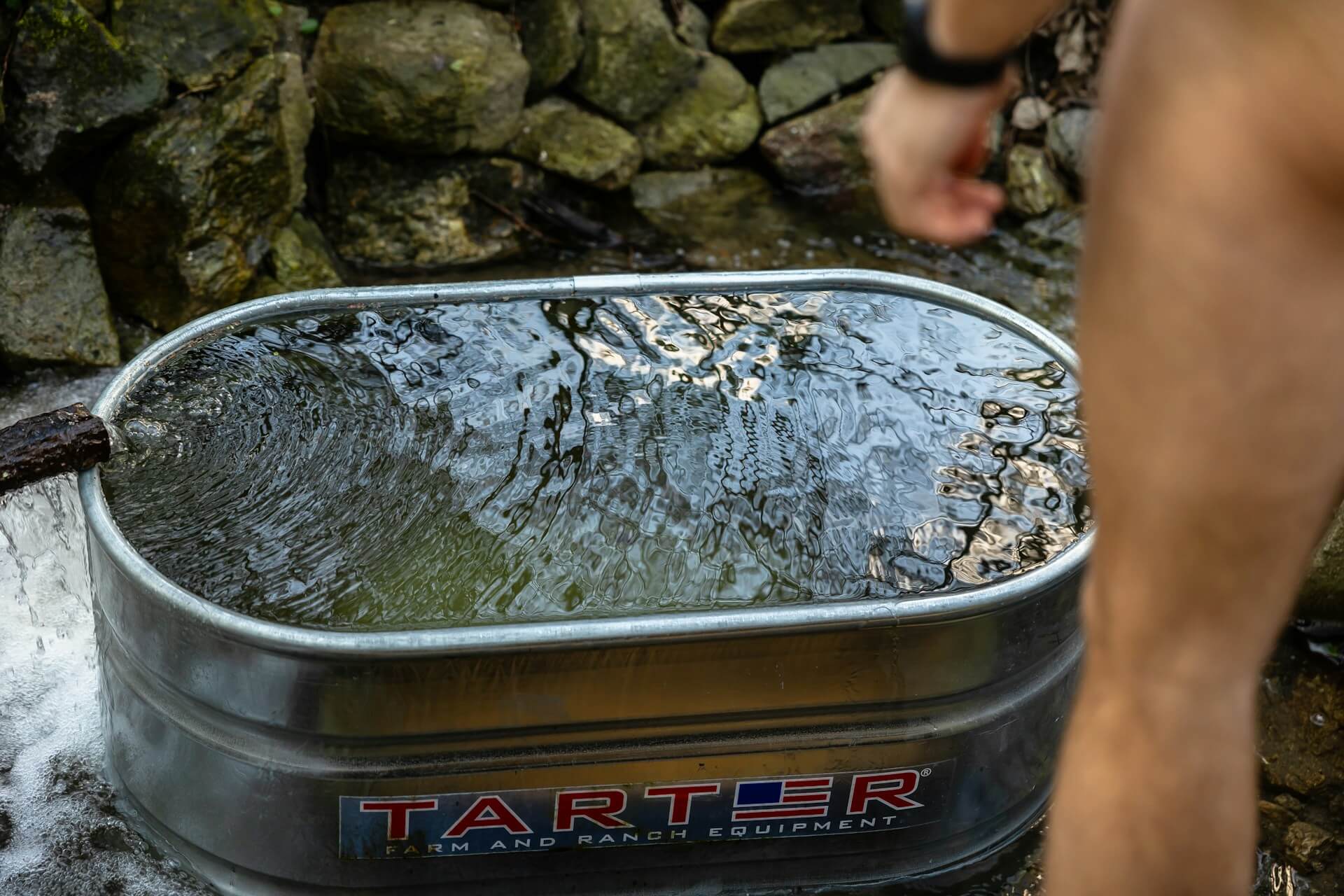
Photo : Unsplash
- The Sauna – it may not look like it, but it’s the heart’s ally. The dry heat stimulates blood circulation and helps eliminate toxins by sweating. Regular practice is associated with better cardiovascular health and reduced stress. And your aches and pains will thank you!
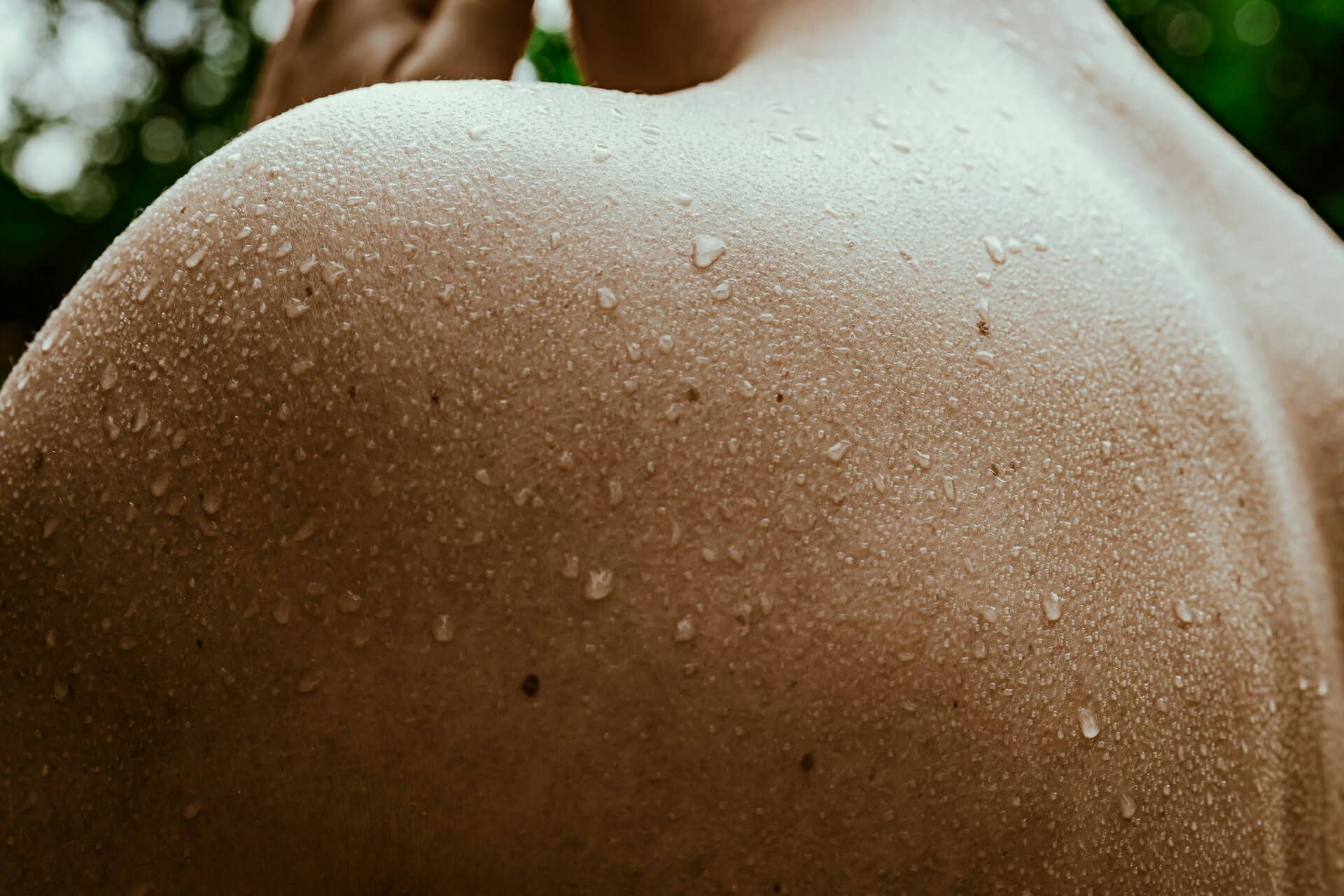
Photo : Unsplash
Before and after: the fluidity of the ritual
In theory, these practices can be inserted at various times during your outdoor day. There are no hard and fast rules: listen to your needs, respect your limits and take care to listen to your signals.
Before you leave, take a quick dip in cool water or a “tonic” shower. This will act as a “starter” on your nervous system, bringing a nice mental clarity in the process. If it doesn’t “warm up the machine”, it’s not so bad: you’ve just put your body on alert at the nervous level. A few jumping jacks and light, dynamic stretches will finish off your preparation before the first strides!
After the effort, it’s time to land. The Nordic bath at 38°C, outside in the cool air, is probably one of the best sensations in the world. Quite apart from the quality of the experience (frankly, who can beat that?), it activates the parasympathetic system, providing a wonderful sense of relaxation and putting the body into standby mode. This is where outdoor activities become an art of living: effort is rewarded by deep relaxation that promotes quality sleep. But make sure you don’t spend your evening in the bath: it’s important to bring the temperature down several hours before bedtime!
Saunas can be used both before and after exercise. While it’s more natural to think of it as a relaxing and restorative after-session, if you’re not into the idea of awakening your body through the cold, or if your muscles and joints are stiff from a previous outing, it can help you warm up the machine. But make sure you’re well hydrated during and after the sauna – you’re about to put some physical effort into it – and keep the session short.
Photo ⓒ Fanny Retailleau
The social dimension: the return of the campfire
It’s certainly hard to take in our latitudes, but sauna and Nordic bathing are very social practices. Yes, it’s sometimes confusing to talk about our daily lives with friends and colleagues in our bathing suits… But think of it as an extra social barrier that comes down! A bit like an evening out with strangers, it’s a time to talk about things that matter, to bond, to have a laugh – in short, to create moments of sharing that count.
The Bon Air Club experience: more than just sport
At Bon Air Club, we’ ve integrated these allies into the very heart of our proposition, and even broadened the spectrum to make your life more beautiful.
It features :
- Nordic baths and saunas, strategically placed to enjoy the view while you recuperate.
- Forest bathing (Shinrin-Yoku): to go beyond “simple” hiking and learn to capture the beneficial molecules emitted by trees, a powerful ally in lowering cortisol.
- Group yoga: organized sessions to loosen up the body before setting off or to stretch out intelligently on the way back, always outdoors so as not to lose touch with the fresh air.
Well-being is anything but a badge to wave, or a territory that concerns only those who want stillness and silence. At Bon Air Club, we believe that moving in nature is the beginning of happiness, and that anything that makes these experiences even more powerful and beneficial deserves its place with us. Normally, you should leave us feeling as light as a feather, recharged as ever and full of memories!