
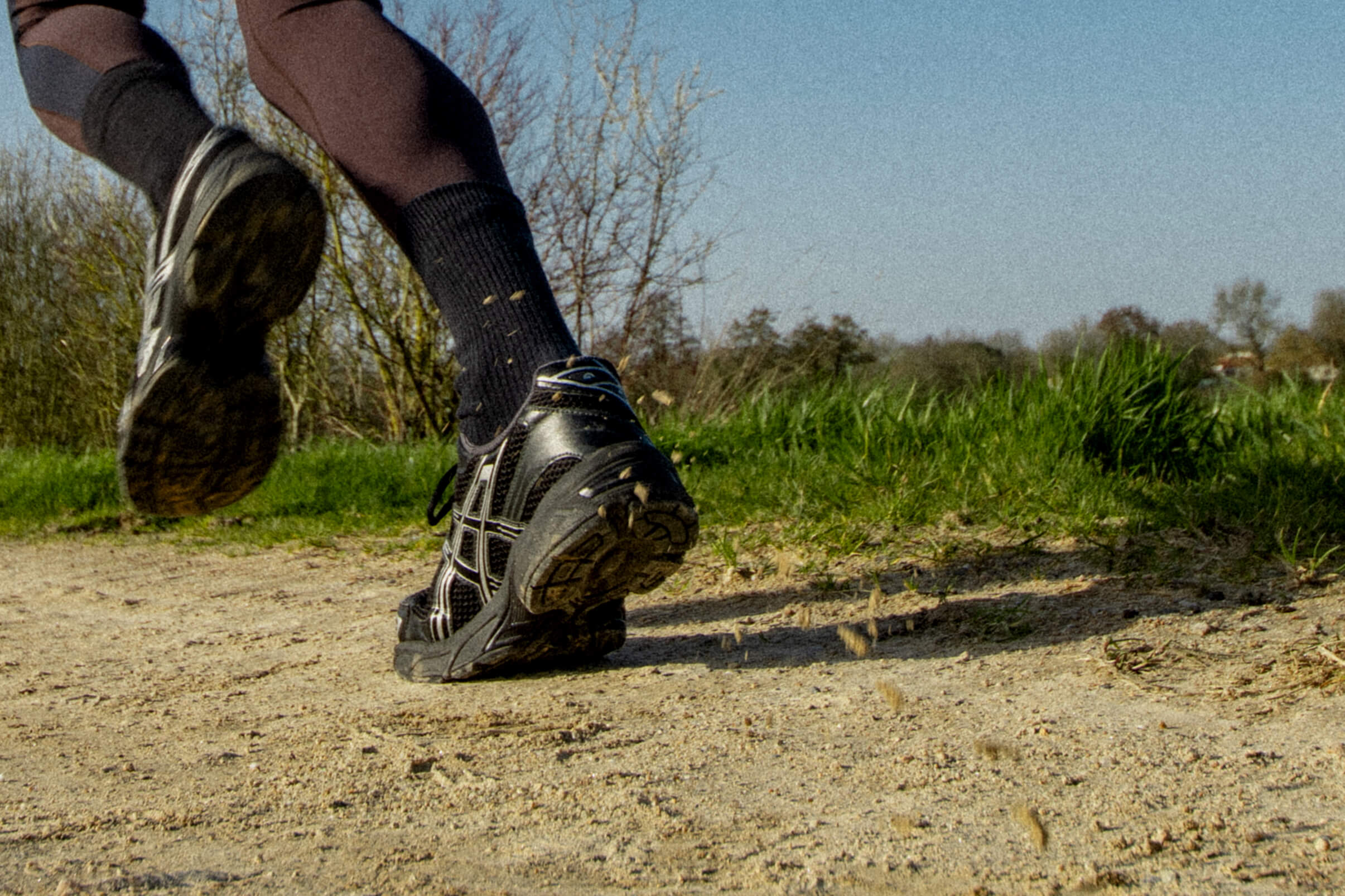

Has the notion of level in the outdoor world become obsolete?
Since the post-Covid outdoor boom, nature has become the new playground for the French. Great news, but is there an eel under the stopwatch? Why not stop measuring and start breathing again?
It’s the great green gold rush. En moins de 10 ans, l’outdoor est passé d’une activité de niche à un véritable phénomène de société. The figures are clear: according to the Union Sport & Cycle, more than 27 million French people now take part in an outdoor activity. Hiking seems more enviable than soccer in the hearts of the French, trail running is replacing Sunday jogging and bivouac has become the new apex of a successful weekend.
We’re seeing the emergence of disciplines with increasingly specialized names: gravel for cyclists who like to wander, packraft for amphibious adventurers and fast hiking for those who find walking a bit of a drag. On paper, it’s all perfect: we get out, we move, we rediscover our massifs and forests together. We could say we’ve finally found our balance, with both feet in the grass and our heads in the clouds. High five.
And yet, on closer inspection, the party sometimes looks like a show. We’re no longer looking at the scenery, we’re scanning our connected watch to check whether our FC Max (maximum heart rate) is consistent with our Strava segment. This obsession with data, comparison and constant progress, directly derived from our environments saturated with KPIs and LinkedIn notifications, is bound to disrupt our practices, including within our decompression spaces. Is nature just another performative terrain? Given the sociology of the outdoor “elite”, it seems logical to think that there are a few people who didn’t get the invitation card, or who don’t come to participate for fear of not fitting in.
What to do? Get indignant, give up, embrace the trend? We think just the opposite.
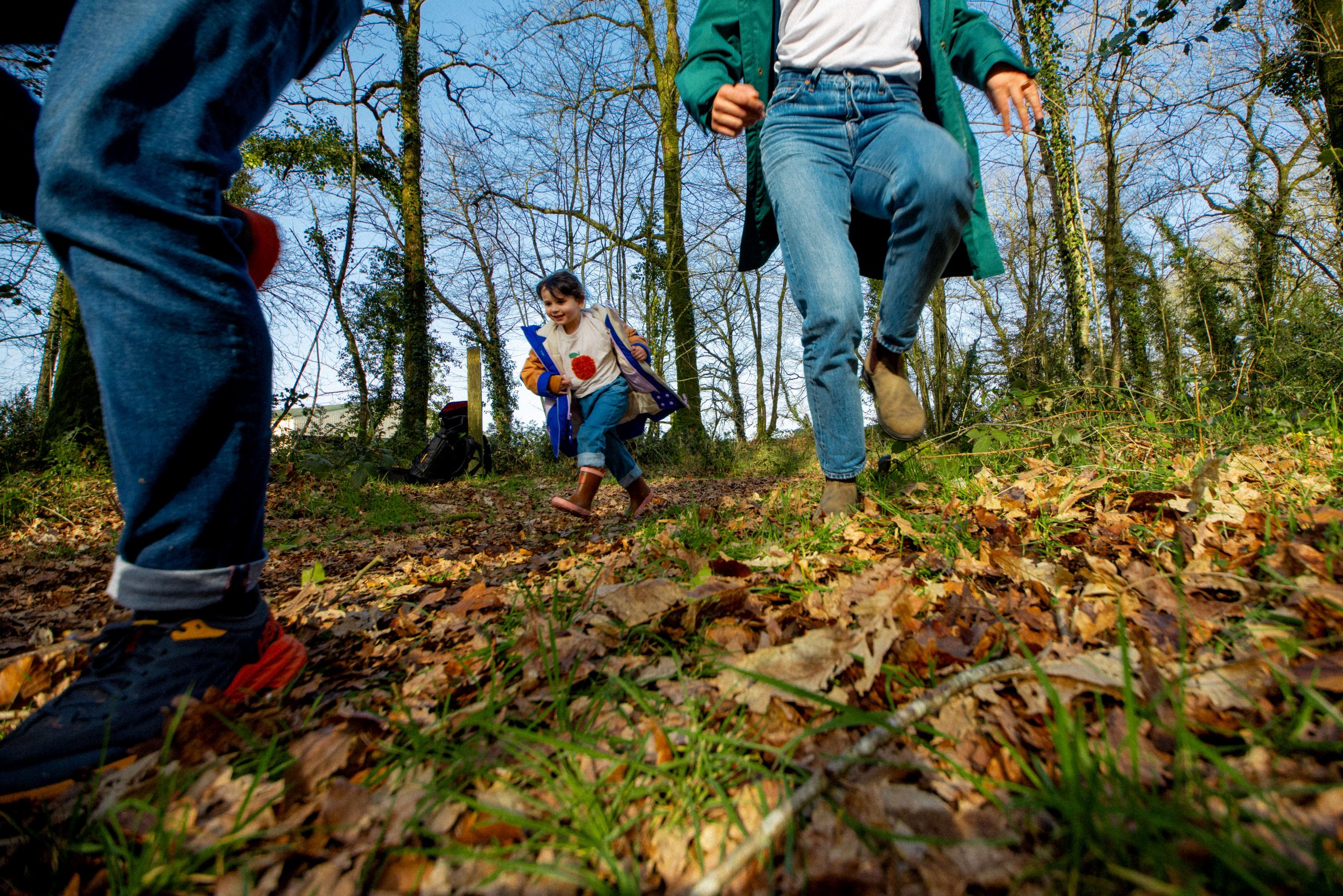
Photo ⓒ Fanny Retailleau
Friluftsliv: the art of outdoor essentials
Let’s go back to basics: outdoor was not born in the R&D labs of equipment manufacturers. The Norwegian concept of Friluftsliv (literally “life in the open air”). More a philosophy than a sport, it’s the idea that human beings are part of a whole and that they find their equilibrium (and their mental health) in contact with the elements – very close to the spirit of nature writing and the writer Henry David Thoreau (we recommend it).
Historically, the first hikers of the 19th century, like the Romantics or the members of the first Alpine clubs, sought contemplation, silence and, sometimes, a form of spirituality: outdoor activities have above all served to elevate the human condition. If our era has managed to defuse the “aristocratic” side inherent in the creation of these practices, it’s important to remember one thing: outdoor activities are first and foremost the luxury of slowness. It’s the pleasure of feeling the grass between your toes, listening to your own breathing and marvelling at the complexity of a forest ecosystem (don’t you do that?).
Just as important: adventure is in no way correlated with technical difficulty. You can have a crazy experience two kilometers from home, simply by changing the way you look at what surrounds you. To think of nature as an arena is to deprive ourselves of a space of freedom where the only rule should be respect for the environment.
Photo : Unsplash
Why fear of “level” paralyzes access to nature
How many times have we heard, “I can’t go with you, I don’t have the level”? Here at Bon Air Club, our team has navigated between the two situations: feeling left out when approaching an outing with “machines”, or losing loved ones along the way because bivouacking under the stars isn’t for everyone. Part of our DNA comes from this understanding of the problem: the notion of “level” creates a hierarchy, where there should be social inclusion.
This fear of not being up to the task – physically or technically – acts as a powerful brake on access to nature. The result: self-censorship. We fear the judgment of the “real thing”, those who know the names of all the peaks in the massif and the UTMB table for the last 10 years. The “level” becomes a source of anxiety, whereas nature is supposed to be the place to decompress. Of course, the most publicized profiles in the outdoor world – cyclists, mountaineers, extreme paragliders – are heroic figures totally out of reach. How can we fail to feel a little bit inadequate when faced with the exploits of Benjamin Védrines, Elisabeth Revol or Killian Jornet?
What’s more, this focus on physical and technical ability masks other, far more essential skills: the ability to observe, to adapt to the weather, to share a moment of conviviality or to know how to do nothing. By putting physical effort on a pedestal, we forget that outdoor activities are also – above all? – a school of humility and patience.
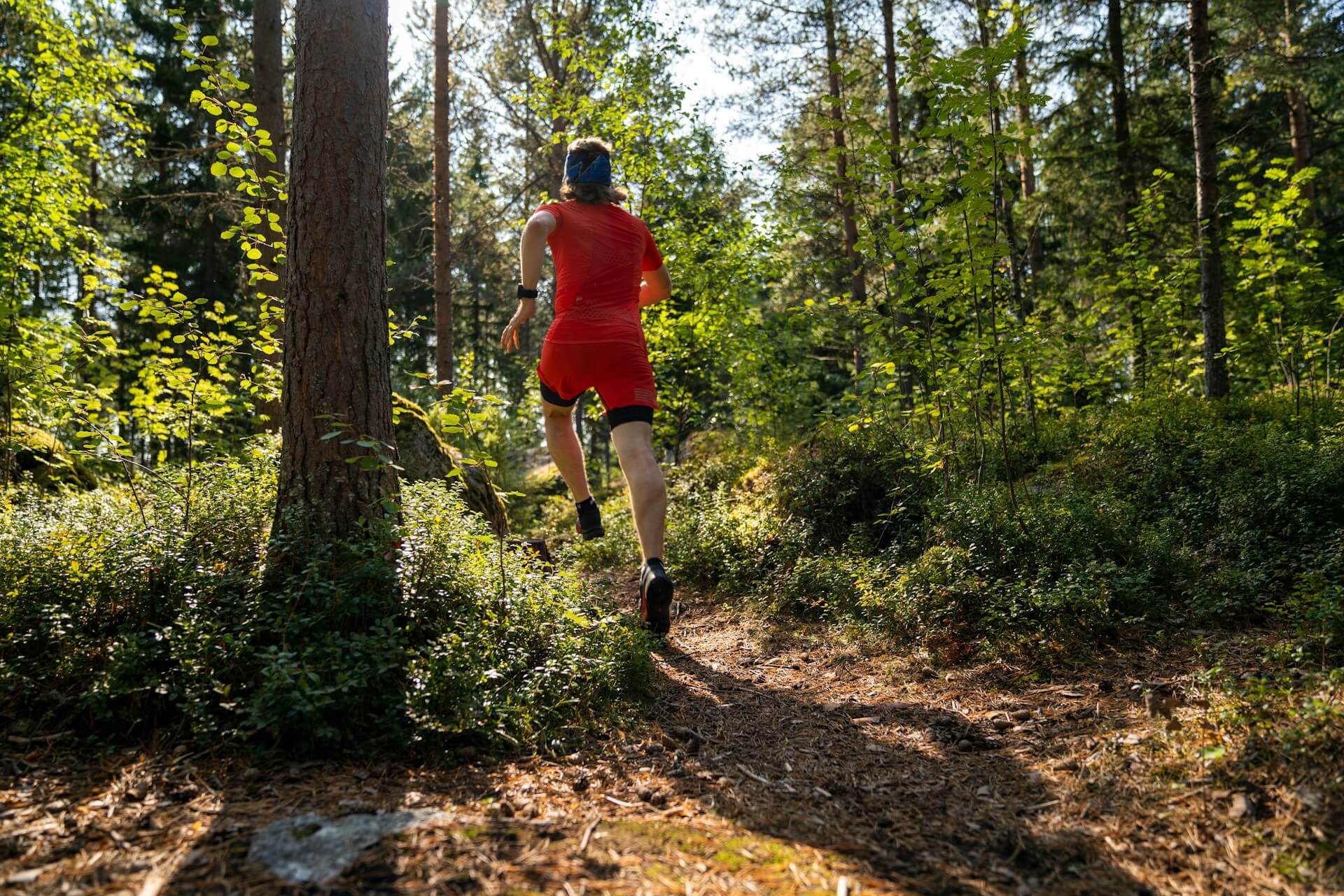
Photo : Unsplash
Bon Air Club’s solutions for nature accessible to all
It’s time to relax your relationship with nature. The solution? It can be summed up in one word: simplicity.
First and foremost, we need to separate safety from performance. Yes, you need a certain “level” of knowledge to avoid putting yourself in danger (knowing how to read a map, anticipating water, knowing your limits), but this knowledge must be shared and not used as a tool for exclusion. Back home, we call that legitimate accessibility!
At Bon Air Club, we’ve decided to turn the tables. Our places and experiences are not designed for experts, but for everyone. Without exception.
- Another look: We talk about “time out” rather than “kilometers traveled”. You’ll see, it changes everything.
- Hospitality as a driving force: We rely on the collective. On our outings, the one who goes the slowest is not a drag, it’s the one who sets the pace for the discussion!
- The right to make mistakes: We encourage experimentation (in complete safety). It’s okay not to know how to pitch a tent the first time, or to have sore calves after three ribs – it’s already happened to 100% of the team!
- Accessible micro-adventure: No need to go to the other side of the world. Adventure is all about the unexpected, and the unexpected is often to be found around the bend of a road you think you know by heart, or in a region you underestimate!
Access to nature is too important for public health and well-being to be reserved for the sporting elite. Putting an end to the dictatorship of level means allowing everyone to find their own tempo. Go for a 3-kilometre run at your own pace, plan a half-marathon down a sunken lane, go birdwatching on a hilltop just a two-minute walk away. The important thing remains the same: you’re outside. And that’s already a victory!
Ready for your first challenge? Discover our cabins and book your next weekend in the great outdoors.